
- by Zack Dunda, VP of Marketing -
If you’ve ever walked into a classical choral concert, you know the drill: singers in tuxedos or floor-length robes, eyes glued to black folders, standing still as statues. As a former marching band trombone player, that forced formality always felt a bit... well, stuffy, for my taste.
When I transitioned from the band world to the choral world, I found my home in a middle ground that many people don't realize exists. Whether you call it "The Black Belt of A Cappella" or just high-octane harmony, barbershop is a different beast entirely.
If you’re wondering what actually separates a barbershop chorus from a traditional choir, it isn't just the straw hats (which, actually, most of us have retired). It’s about the physics of the sound and the soul of the performance.
1. The "Trombone Slide" of the Human Voice
In a traditional choir, you’re often singing in Equal Temperament - the same tuning a piano uses. It’s a compromise that makes every note "good enough" to work in any key.
But in barbershop harmony, we use Just Intonation. Because we aren't tied to a piano, we have the freedom to adjust our micro-tuning. Think of it like a trombone slide: we aren't just hitting a button; we are sliding into the pitch sweet spot until the chord "locks," all relative to the other notes around us.
When we hit those mathematical interval ratios, something magical happens: the ring. The sound waves align so perfectly they create overtones (resultant tones) that aren't actually being sung. It creates a 3D wall of sound that makes 40 people sound like 100.
2. The Melody in the Middle (Sonic 3D)
In a standard choir, the Sopranos or Tenors usually carry the melody on top. In barbershop, we flip the script. The Lead (the second highest voice) carries the melody, and they are literally surrounded by harmony.
- Tenor: Lightly floats above the melody.
- Lead: The heart of the song in the middle.
- Bass: The foundation, often matching the Lead’s volume.
- Baritone: The "glue" that fills in the gaps.
This cone-shaped balance creates a sense of musical immersion. Instead of the melody sitting on top like a lid, it’s the engine in the middle, making the harmony feel like it’s wrapped around the listener.
3. Tearing Down the Invisible Wall
One of the reasons I stayed away from traditional choirs was the sheet music. When you’re holding a folder, there is a literal obstacle between you and the audience, which is why so many people choose to hire a barbershop chorus for high-impact, engaging entertainment.
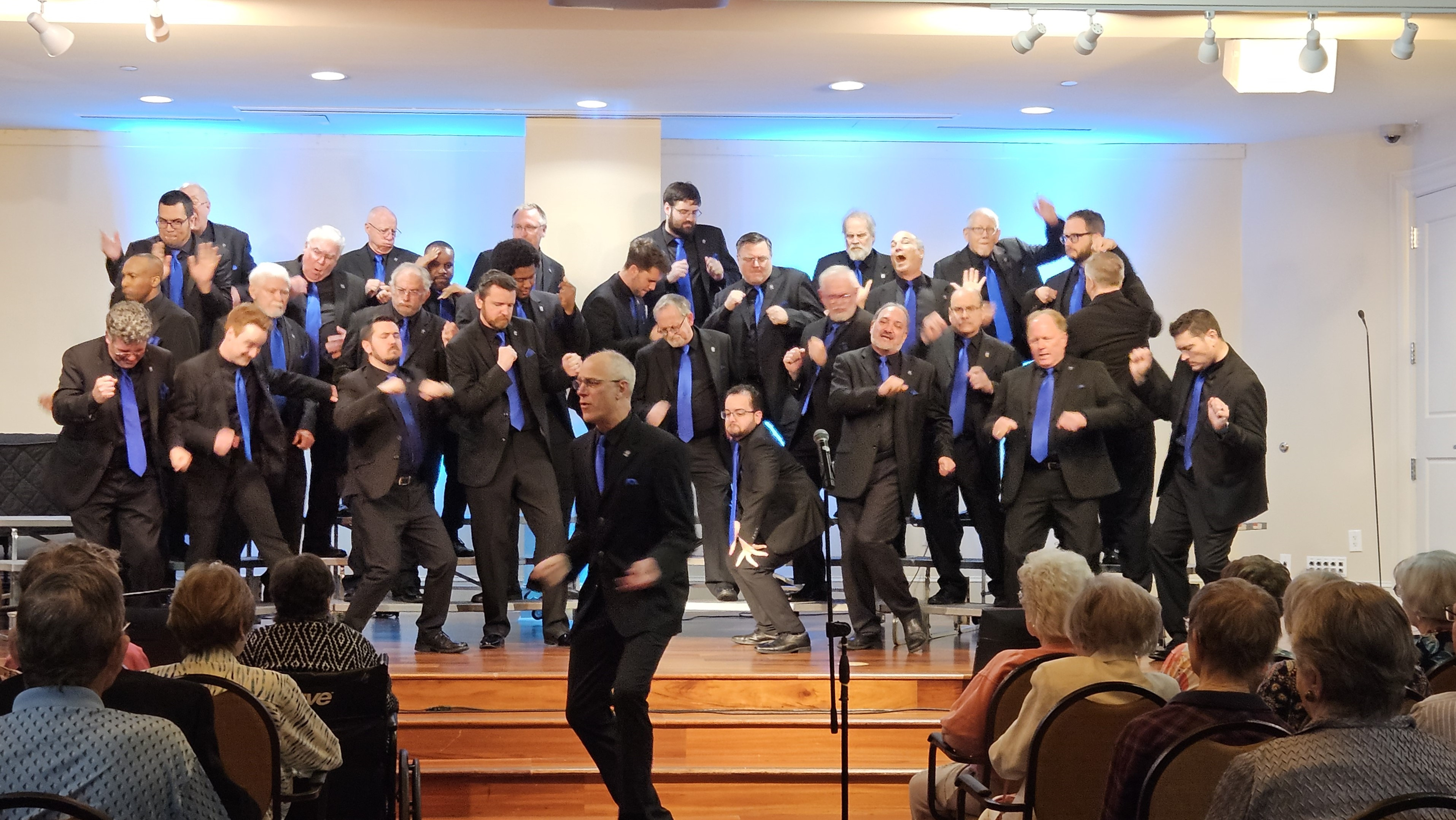
In our world, everything is memorized, just like my old marching band. This isn't just to show off; it’s about engagement. Without folders, we can:
- Make direct eye contact.
- Use natural facial expressions that actually match the lyric emotion.
- Move our bodies to enhance the energy of the song.
It turns a recital into a performance. The audience feels more connected because we’re looking at them, not at a piece of paper.
4. Tradition Meets the Top 40
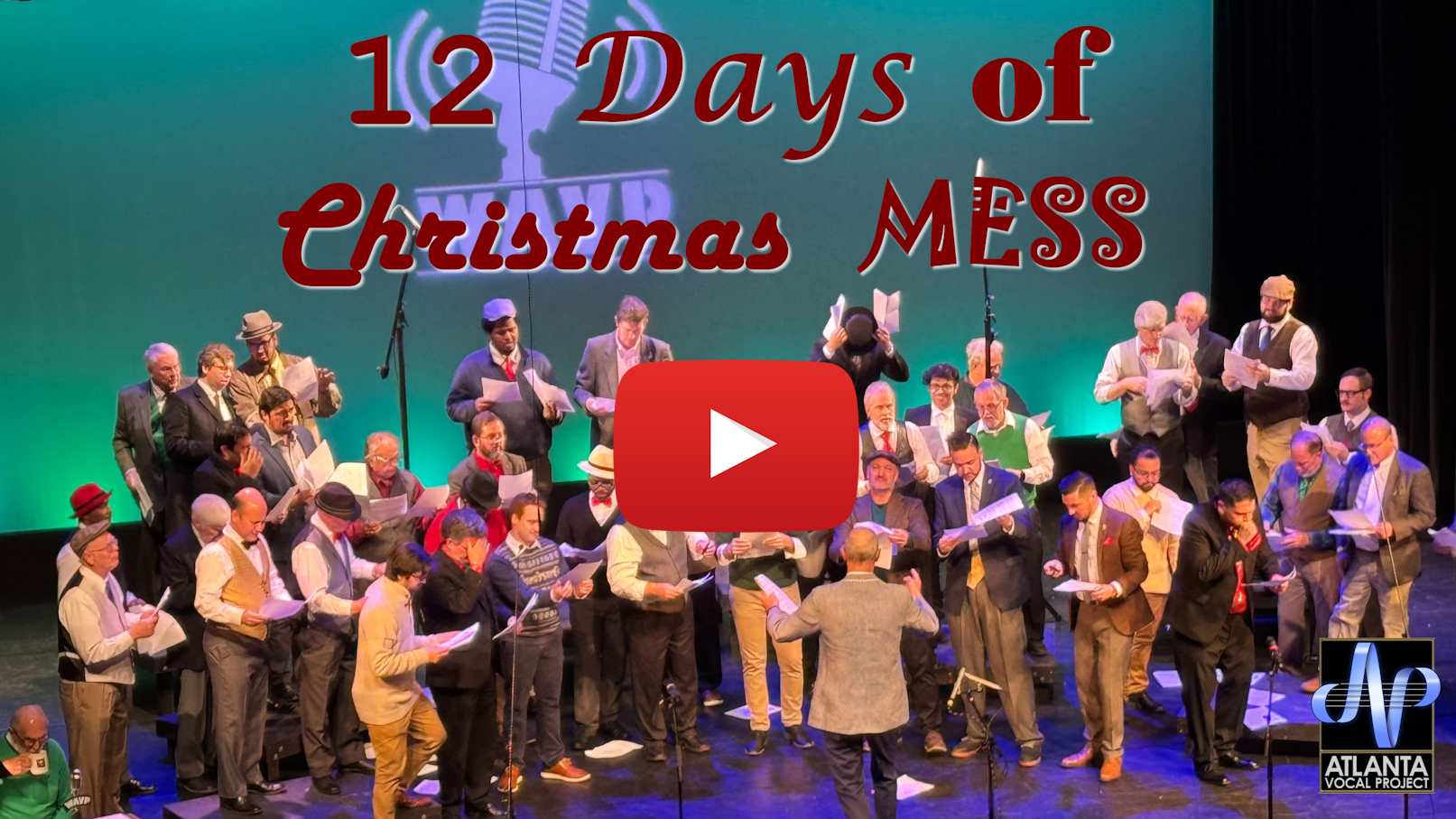
There’s a misconception that barbershop is stuck in 1910. While we love the "Circle of Fifths" progressions, homophonic arrangement, and the classic seventh chords that give the genre its music theory DNA, we aren't prisoners to the past.
While competition sets have strict rules, our show sets are where we have the most fun. We take the "Black Belt" vocal techniques of barbershop and apply them to more modern pop, Broadway, and rock. It gives those modern songs a sonic glow-up that you just don't often get with a standard SATB arrangement. Come sing with us to see firsthand!
The Bottom Line
Traditional choirs are wonderful for preserving the sanctity of a classical composer’s written work. But barbershop is about the experience. It’s about using the physics of the human voice to create a ringing, locked-in sound that you can feel in your chest, all while letting the chorus or quartet actually have a conversation with the audience.
It’s not stuffy. It’s not rigid. It’s just pure, exciting harmony.
Are you interested in seeing how we turn a classic rock hit into a four-part harmony masterpiece? Check out our performance calendar for our next show dates!