

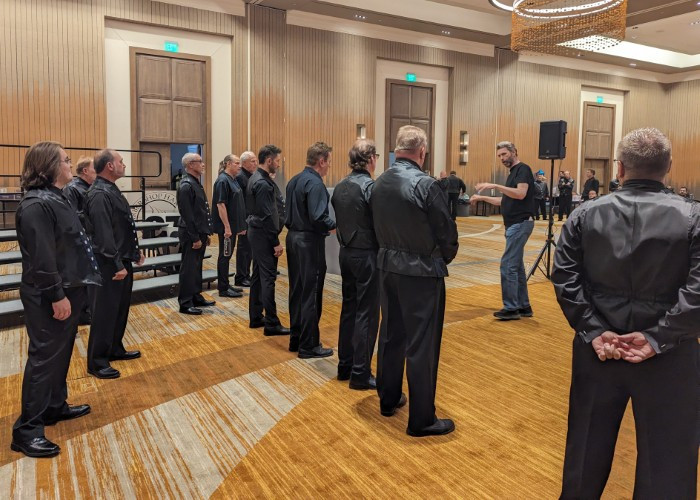
Can Anyone Learn to Sing With a Vocal Coach?
- by Zack Dunda, VP of Marketing -
Many people grew up believing that singing is a binary trait: you are either born with a voice, or you aren’t. This myth is reinforced by televised singing competitions that focus on raw, unpolished discovery stories. However, if you look at the reality of high-level choral and solo performance, you will find a different story. Singing is an athletic and cognitive skill, and like any other discipline, it is accessible to anyone willing to follow a structured process.
The Mental Block of the Formal Setting
One of the biggest hurdles for adults is a lack of formal group singing experience. Without that background, the prospect of vocal training feels intimidating. Many believe their voice has shortcomings that make it unfit for a "professional" sound.
In reality, a vocal coach acts more like a curator than a mechanic. Instead of simply fixing broken parts, a coach helps you identify your natural vocal characteristics and shows you how they contribute to a larger choral blend. Everyone brings something different to the table, and a coach provides the feedback necessary to turn those individual traits into assets.
The Instrument of the Body
While we use our voices every day to speak, high-level singing requires a different level of intentionality. The voice is an instrument like any other. Just as a pianist must learn finger placement and a drummer must learn rhythm, a singer must learn to manage the internal mechanics of their body.
Breath support, resonant placement, and relaxed production are not always intuitive. In fact, because we talk constantly, we often develop inefficient vocal habits that we never notice on our own. A coach provides the external ear needed to point these out and replace them with techniques that allow for a healthier, more powerful sound audiences love to hear.
Talent vs. Coachability
The question of natural talent often comes up when discussing feasibility. While some people start with a higher level of pitch accuracy, tone-deafness is rarely a permanent condition. I have seen singers join unauditioned choruses with significant trouble matching pitch, only to eventually sing harmony in international champion barbershop choruses after several years of expert guidance.
When we evaluate singers for a high-level group like ours, we often look for responsiveness over raw skill. A singer who has less natural talent but can quickly make changes based on a director’s prompt is often a better candidate than a talented singer who is stagnant and stubborn. If you’re eager to learn and capable of making adjustments, your potential for growth is nearly limitless.
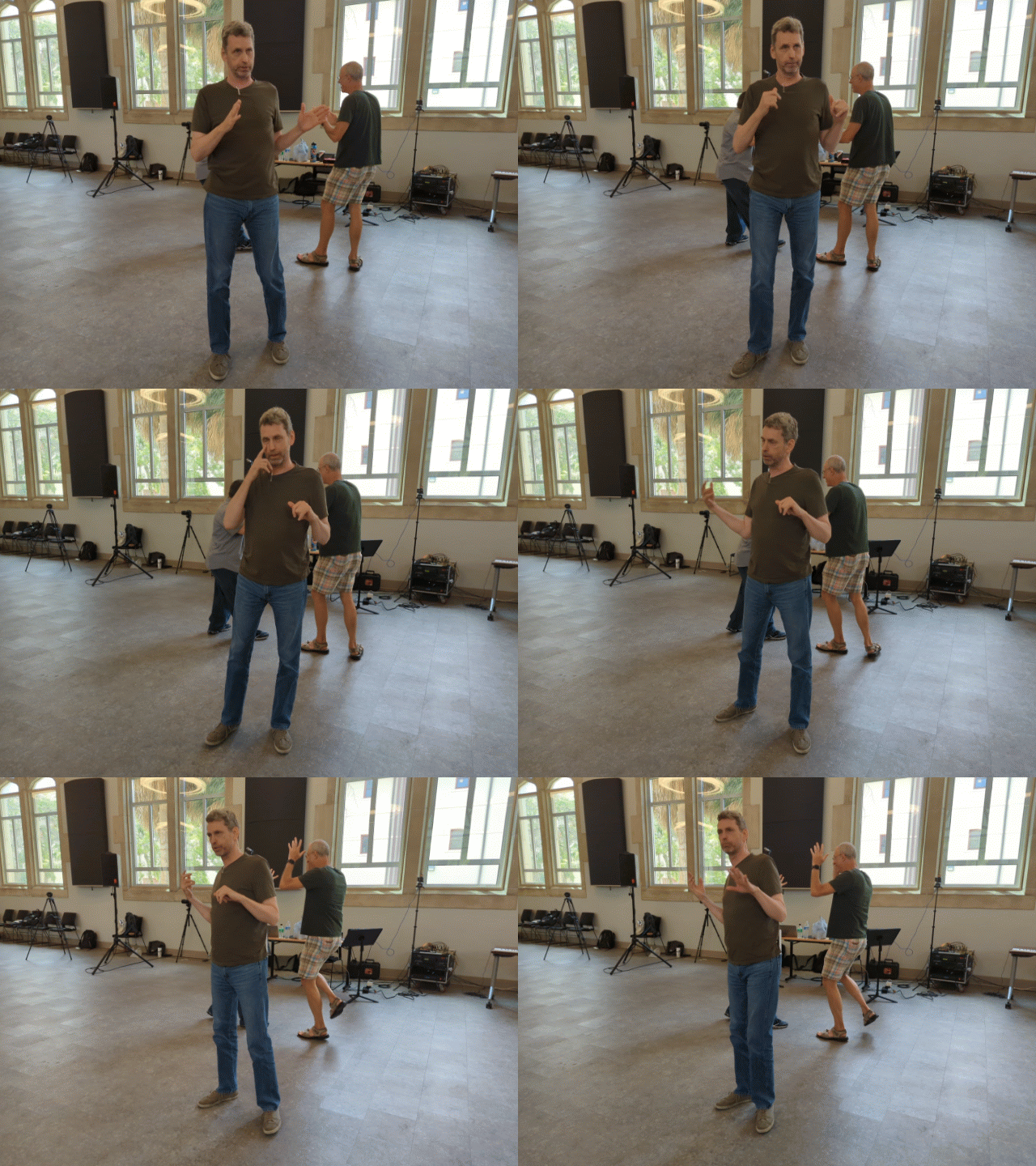
The Building Blocks of Artistry
Vocal growth happens in stages. You cannot reach full artistry until you have mastered the foundation:
- The Basics: Pitch accuracy, steady sound, and pleasant tone.
- The Threshold: Moving these basics from your conscious thought into muscle memory.
- The Pinnacle: Using your voice for musical storytelling and living the lyric.
If you have to constantly think about your breath or your pitch during a performance, you cannot fully engage the emotion of the song. A coach helps you build these layers over time. Eventually, those technical concepts become second nature, allowing you to focus entirely on the delivery and message of the music.
Making It Feasible
For those with a busy schedule, the "minimum effective dose" of coaching is typically once a week. This frequency provides enough feedback to keep inefficient habits from creeping back in. However, the voice is a muscle, and the real work happens between sessions. Daily practice at home is essential to turn lessons into habits.
Modern technology has made this more accessible than ever. Whether it is through private in-person lessons, group rehearsals, or video calls, there is a format that fits almost any lifestyle. You do not need a gift to start singing; you simply need a regimen and the willingness to learn. Even the most experienced professionals continue to work with coaches because the craft of singing is a lifelong journey of refinement.