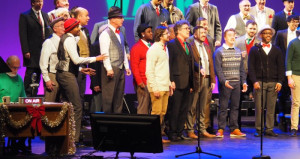

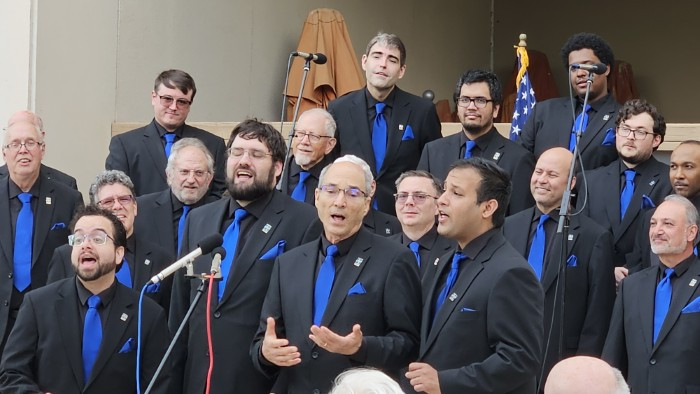
What is the typical age range for a men’s chorus? If you ask the average person on the street, they might picture a room full of retirees singing traditional tunes. But if you walk into a modern, thriving chorus rehearsal today, you are just as likely to see a 21-year-old college student standing on the risers next to a seasoned veteran.
The reality of modern chorus demographics is incredibly vibrant, diverse, and multigenerational. While youth interest in barbershop and choral music has surged nationwide over the past decade, a truly successful chorus isn't about chasing a single demographic. It is about understanding your specific musical identity and learning how to bridge generational gaps through a shared passion for vocal excellence.
The 70-Year Age Span on the Risers
At the Atlanta Vocal Project, our youngest members are college-aged, and our oldest singing member is over 90 years old. That means our age range spans more than seven decades! Over the last few years, our membership has experienced massive growth among younger singers, specifically guys in their 20s and 30s, which has quickly lowered our overall average age.
Overcoming an age gap that wide comes down to a single principle: keeping the music as the primary focus in everything you do. A deep desire for musical excellence is not exclusive to any one generation; it is a common passion that cuts right through age differences. To support this diverse membership, it is vital to offer flexible activities throughout the year to accommodate the different schedules, career stages, and time commitments that naturally come with different ages.
Rethinking Recruitment for Modern Ensembles
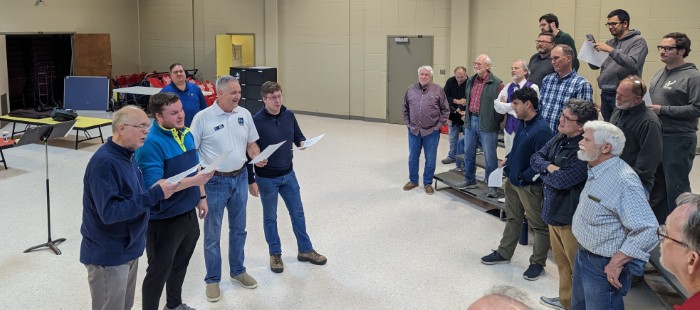
Many traditional choruses often struggle to attract younger singers because they rely on the classic, open-door guest night model. To break out of that stale cycle and reach younger musicians in our community, we completely shifted our strategy over the last few years. We moved away from traditional guest nights and transitioned to a targeted, audition-based approach.
Twice a year, we hold exclusive, one-night audition events marketed specifically toward talented musicians who want to audition for a high-level singing group. By focusing our marketing efforts on social media and online advertising, we changed the psychology of our recruitment. Instead of offering a casual drop-in night, we framed the chorus as an elite ensemble that driven singers want to earn a spot in. This targeted strategy immediately attracted a younger pool of highly skilled vocalists who wanted to join our organization and perform around north Georgia.
Blending Diverse Textures and Managing Vocal Stamina
When your ensemble includes both a 21-year-old collegiate voice and a 93-year-old voice, forcing everyone to sound identical is a mistake. An aging voice naturally requires different or more deliberate care to maintain proper vocal tone and stamina, but also brings a mature sound that adds depth to the full choral picture. Instead of forcing a manufactured monolith, a healthy chorus philosophy embraces these diverse, unique textures and channels them into a unified sound.
To achieve a champion-level blend while protecting every singer's vocal health, musical leadership can implement a few specific strategies:
-
Universal Vocal Tools: Incorporate simple, effective exercises into every rehearsal that benefit all ages. Semi-occluded vocal tract (SOVT) phonation and proper resonance placement work beautifully for everyone, though younger voices might simply need less time to lock into the correct placement.
-
The Collective Coverage Concept: As a chorus grows, emphasize to your singers that no single person needs to sing 100% of the notes. It is far healthier and more effective for an individual to give 100% effort for as much of a performance as they can comfortably manage, trusting the sheer size of the ensemble to cover them when they need to rest their voice during a song.
Tailoring the Experience to Your True Identity
One of the greatest aspects of organizations like the Barbershop Harmony Society is that they allow room for many different types of choruses with varying goals. A chorus focused entirely on high-level, competitive performance will naturally operate differently than an older, established chorus that prioritizes casual singing and local camaraderie. Both models are incredibly valuable to the community, and singers have plenty of choices to find the most appropriate skill level and experience they want out of the hobby.
The single most important mindset shift for any chorus leader is to deeply understand your current membership and what works for them. Rather than panicking about an aging demographic and trying to force a high-energy, youth-centric competitive model that doesn't fit your existing culture, embrace your true identity. Tailor your repertoire, expectations, and rehearsal exercises to match the people in the room. When you stop trying to force something that doesn't fit, you create a fulfilling environment where singers of any age can thrive.